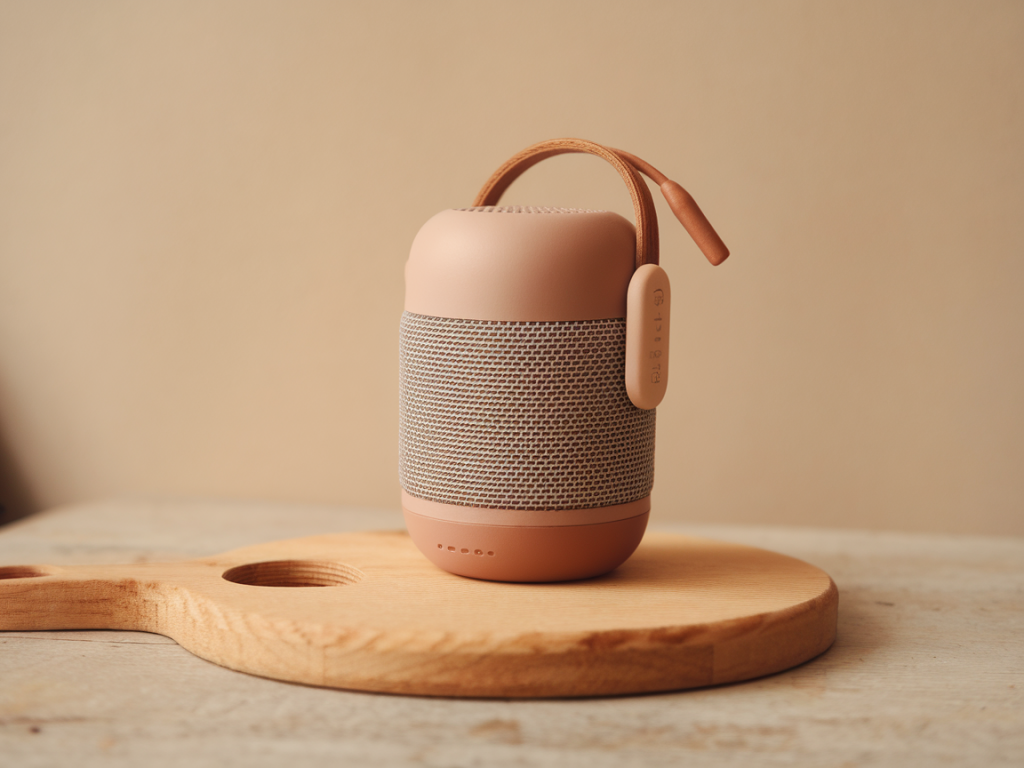
I’m a sucker for a great-sounding voice. Whether I’m catching up on true crime, devouring an interview, or re-listening to a favorite podcast episode, nothing ruins the mood like tinny, hollow audio that turns every host into a distant radio ghost. So I set out to find which budget Bluetooth speaker can actually make podcasts sound studio-quality — or at least close enough that you can enjoy every nuance of the vocal performance without spending a fortune.
What I mean by “studio-quality” for podcasts
Full disclosure: very few portable Bluetooth speakers will magically transform a mediocre podcast recording into a pristine studio master. But some speakers do a much better job than others at highlighting voice clarity, presence, and midrange detail — the frequencies that carry human speech. For my purposes, “studio-quality” means:
If a speaker hits most of those marks, podcasts sound like they were mixed to prioritize the host, not the sub-bass.
How I tested
I listened to a bunch of episodes from different podcast genres — interview-heavy shows, narrative storytelling, and fast-talking panels — using the same phone and player app. I looked for intelligibility (especially with multiple voices), sibilance control (no harsh “s” sounds), and whether music beds or sound effects were muddying the voice. I tested at low-to-moderate volumes (what most people use for background listening) and cranked it up briefly to check distortion.
The winners (budget-friendly picks that make podcasts sound great)
Below are the models that impressed me the most for spoken-word listening without breaking the bank. Prices fluctuate, but I focused on options roughly under $120 USD (or similar ranges in other markets).
Comparison table (quick specs for each pick)
| Speaker | Approx. price | Why it helps podcasts | Downside |
|---|---|---|---|
| Anker Soundcore Motion+ | $100 | Strong mids, app EQ, aptX support for higher Bluetooth fidelity | Not the smallest option |
| Tribit StormBox / Micro | $30–$90 | Clear vocals, excellent value, low distortion | Soundstage narrower on Micro |
| JBL Flip 5 / 6 | $80–$120 | Balanced midrange, durable, great for outdoor listening | EQ options limited |
| Sony SRS-XB23 | $70–$100 | Forward mids, portable, app tuning | Bass boost can muddy voice if left on |
| Bose SoundLink Micro | $100–$120 | Natural vocal presentation, compact | Battery life not class-leading |
Tips to make any speaker sound more “studio” for podcasts
If you already own a Bluetooth speaker (or you buy one of the picks above) here are quick, practical tweaks that make a big difference:
Why a portable speaker can still impress for podcasts
Studio monitors and professional gear are designed for absolute accuracy, but for everyday listening a portable speaker with a well-tuned midrange will often subjectively sound “better” than clinical monitors — because it highlights what matters for podcasts: the voice. I find myself choosing speakers that make hosts feel present and intimate rather than neutral and distant.
When to consider a different approach
If you demand true studio precision (for editing podcasts, for instance), invest in studio monitors or near-field headphones. But for casual listening — commuting, kitchen catch-ups, or backyard bingeing — the budget Bluetooth picks above will get you much closer to a “studio” vibe than most people expect. And if you want my short list for different situations, here’s a quick cheat-sheet:
Podcasts are all about connection — hearing a host laugh, an interviewee pause, a mic breathe — and a speaker that prioritizes midrange and control gets you closer to that connection without draining your bank account. If you want, I can also run through cheap EQ presets for specific podcast genres (true crime vs. roundtable interviews) that you can paste into your app. Want that?