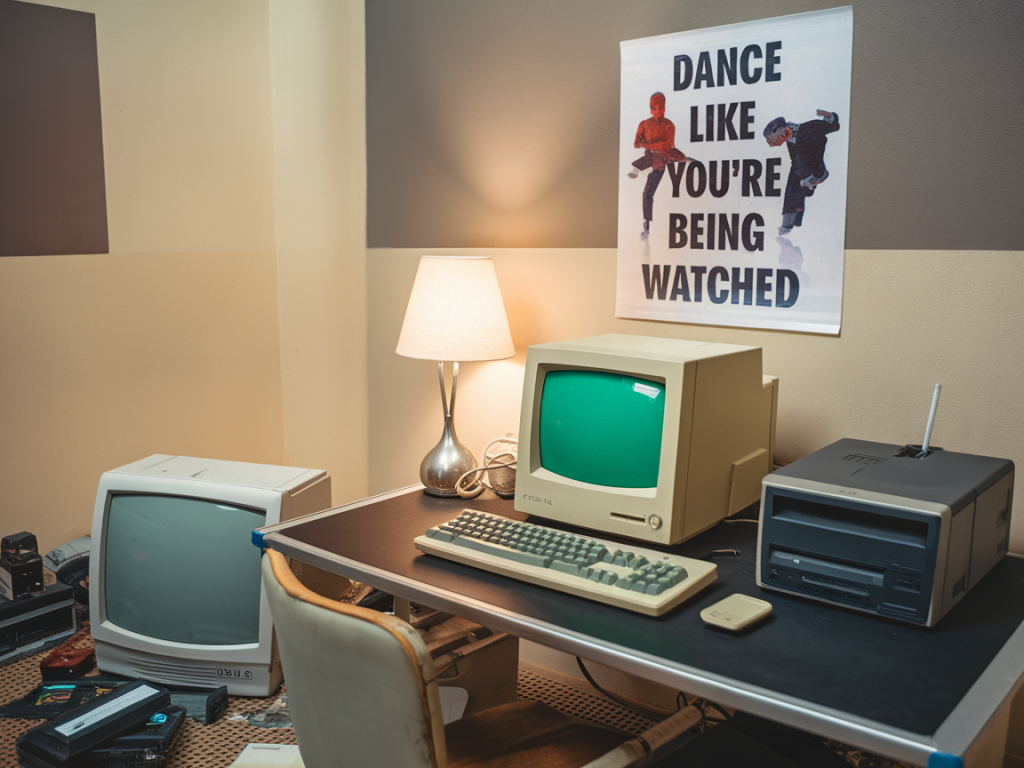
I still remember the exact sound my family’s dial-up modem made—the grinding, the buzzing, the small victory beep when the internet finally connected. It was busy signals and waiting games, but it also felt like an exclusive club: when you were online, you belonged to a strange, pixelated universe of animated GIFs, guestbooks, and neon gradients. Now, years later, I scroll through feeds full of vaporwave collages and Myspace-style layouts and feel that same odd, warm tug. Why does retro internet nostalgia keep coming back? And what do the memes that resurface tell us about how we cope with modern life?
Why the early web pulls at our heartstrings
For me, nostalgia isn’t just a longing for the past—it’s a search for comfort in a chaotic present. The early internet feels simpler because its flaws were visible and tactile: low-res images, clunky HTML, and weird personal pages that screamed personality (and Comic Sans). Here’s why that era keeps creeping back onto our screens.
Sensory memory is powerful. The sound of an old modem, the glow of a CRT monitor, the pixelation of a 200x200 avatar—these small details trigger big emotions. They’re anchors that take us back to weekends spent on MSN Messenger or making fan art on DeviantArt.Design as authenticity. Today's interfaces are sleek, polished, and optimized. The clunky, homemade aesthetics of GeoCities pages or early Flash sites screamed "real person made this," and that perceived authenticity is hugely appealing now that everything feels curated by algorithms.Algorithm fatigue. The modern internet is designed to keep us scrolling. Retro internet vibes feel like an escape—a place where content wasn’t engineered; it was just created and shared. That creative freedom is nostalgic and subversive.Remix culture loves old content. Memes are built on remixing. Old videos, GIFs, and sounds are ripe for recontextualization. A 2004 Flash animation can become a 2025 TikTok trend with the right caption.Generational hand-me-downs. Younger creators discover these artifacts and reframe them as fresh. My friends in their twenties now send me Numa Numa remixes like they’re rediscovering treasure—and sometimes they are.Memes that prove the comeback is real
There are memes and formats that have resurfaced repeatedly—sometimes earnestly, sometimes ironically. These recurring moments show how the internet keeps chewing and regurgitating its past.
Vaporwave and Windows aesthetics. Neon grids, Roman statues, Windows 95 start menus: vaporwave reimagines early digital aesthetics as dreamy critique and comfort. It’s a visual and sonic remix that started as obscure Tumblr content and now infiltrates album art, fashion, and even corporate ads.Classic viral videos — “Numa Numa,” “All Your Base,” “Leeroy Jenkins,” and early YouTube gems reappear in remixes and audio samples. They're shorthand for "I remember when this felt revolutionary."MSN/instant messaging nostalgia. Screenshots of old away messages, buddy lists, or cringy display pictures get posted with captions like, "Who else had a raccoon fur mouse cursor?" These evoke the intimacy of one-on-one online friendships before platforms were built to scale.GIF-first humor. Tumblr and early social platforms leaned heavily on looping GIFs. That language has been upgraded—GIFs are now short-form videos and TikToks—but the punchline style is the same: quick, repetitive, and infinitely re-watchable.1990s/2000s iconography in fashion and branding. From scrunchies to early Nokia ringtone remixes, fashion and brands repurpose then-forgotten bits into new merch and ads. Even big tech occasionally leans into retro UI Easter eggs to spark engagement.How nostalgia becomes meme fuel
Nostalgia and memetics are a perfect pair: nostalgic content is instantly relatable, and memes are the vessel that spreads it. Here’s how that process tends to work in the wild.
Rediscovery. Someone uploads an old clip or a screenshot. Maybe a creator finds a GeoCities page archive. This seeds the content.Recontextualization. The clip gets a modern caption or audio cue. Suddenly it speaks to 2025 anxieties—work burnout, dating app fatigue, climate dread—in a way the original never intended.Remix and amplification. On TikTok or Instagram Reels, creators add layers: sped-up edits, ironic text overlays, or mashups with trending sounds. Algorithms amplify repeatable formats.Mainstream adoption. Once a few high-following accounts pick it up, brands and late adopters repackage the nostalgia for mass consumption—think ad campaigns leaning into Y2K visuals.A small table of eras, examples, and why they return
| Era | Example | Why it resurfaces |
| Late 90s | Geocities pages, dancing baby | DIY charm; early web felt personal and anarchic |
| Early 2000s | Myspace layouts, MSN Messenger | Intimacy of small online communities; shared rituals (away messages, Top 8) |
| Mid 2000s | Flash animations, early YouTube | Viral pioneering; content feels like pure joy, not optimized for engagement |
Personal confessions: why I keep writing about this
I started Mycomps Co because I love those tiny sparks—the GIF that makes you laugh out loud, the throwback meme that connects a stranger to a memory. I’ll admit it: I spend too much time curating playlists of old Flash era tracks and saving screenshots of cringy 2006 profile bios. Why? Because these relics represent a time when the internet felt like a clubhouse, not a marketplace.
When I write about retro internet nostalgia, I’m not trying to romanticize every aspect. The early web had gatekeeping, toxicity, and limitations. But there’s a sweetness to the homemade, unmonetized ways people created culture back then. And in a world where every platform is trying to own our attention, revisiting that rawness feels radical.
If you’re into this kind of content, you’ll find more at https://www.mycomps.co.uk—where I collect the pop-culture crumbs that make scrolling worthwhile. Send me your favorite nostalgic finds (memes, GIFs, old playlists) and I’ll probably feature them. After all, the internet’s best moments are the ones we share and reshape together.